Philip Shaibu Appointed NIS Director General as NFF Backs New Sports Leadership
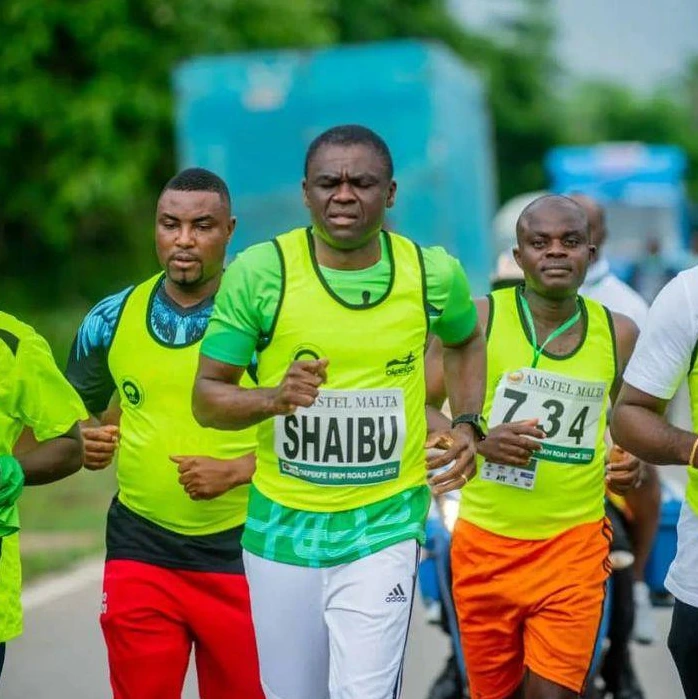
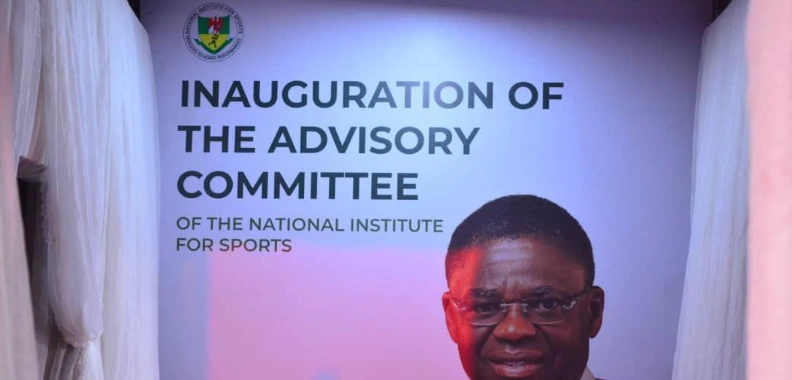
Philip Shaibu has been appointed Director General of the National Institute for Sports, placing the former Edo State Deputy Governor at the head of one of Nigeria’s key institutions for sports training, research and development. The Nigeria Football Federation welcomed the appointment, describing it as a chance to strengthen the country’s sports education structure and improve long-term performance planning.
The appointment matters beyond one office. The NIS sits close to the technical foundation of Nigerian sport: coaches, sports managers, scientists, administrators and development programmes all depend on stronger institutions, not only talented athletes.
NFF Welcomes Shaibu’s Appointment
The Nigeria Football Federation congratulated Philip Shaibu after his appointment as Director General of the National Institute for Sports. NFF President Ibrahim Musa Gusau said the federation believed Shaibu had the capacity, energy and sporting background to make an impact in the role.
The message from the football body was not just ceremonial. Nigerian football depends heavily on the quality of coaching education, player development pathways, sports science and administrative training. If the NIS becomes more effective, football can benefit directly through better-prepared coaches, stronger technical programmes and improved support around athletes.
Shaibu takes over from Professor Olawale Moronkola, with the appointment coming as part of a wider expectation that Nigerian sports institutions need sharper leadership and clearer reform.
Why the National Institute for Sports Matters
The National Institute for Sports was established in 1974 to support Nigeria’s performance in international sport through training and research. Its core mandate includes producing coaches, sports scientists and sports managers, while also conducting research that can help improve competition results.
That mandate is still highly relevant. Nigeria has never lacked raw sporting talent, but talent alone does not build reliable systems. Athletes need qualified coaches. Coaches need updated methods. Administrators need better planning. Federations need research, data and technical support rather than depending only on enthusiasm or short-term tournament preparation.
This is where the NIS should matter most. A strong sports institute can help close the gap between individual brilliance and structured national success.
Shaibu’s Sports Background Gives the Role Extra Weight
Philip Shaibu is best known politically as a former Deputy Governor of Edo State, but his public profile has also been tied to sports development. During his time in Edo State government, he was associated with policies, events and interventions aimed at strengthening sports participation and infrastructure.
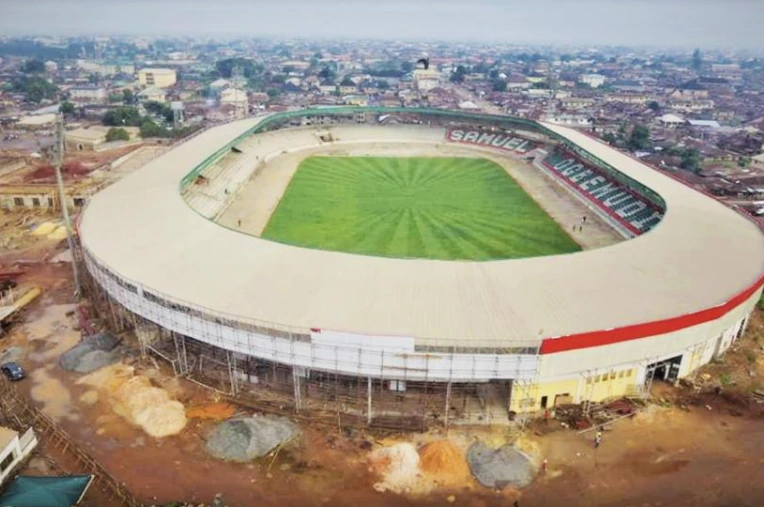
That background gives his appointment a different tone. He is not arriving as a purely administrative figure with no visible sporting interest. The expectation around him is linked to his reputation for being active in sports circles and his stated enthusiasm for development.
The real test, however, will be institutional. Passion for sport is useful, but the NIS needs measurable improvements: better programmes, stronger partnerships, credible coaching pathways and training that matches modern demands.
What Could Change Under New Leadership
Shaibu’s appointment will be judged by what changes inside the institute, not by congratulatory statements. The most important area is likely to be relevance. Sports education has changed quickly, and Nigeria’s training structures must keep pace with areas such as athlete monitoring, injury prevention, performance analysis, grassroots coaching and sports management.
A modern NIS should not only issue certificates. It should help federations solve practical problems: why teams fade physically, why youth development is inconsistent, why coaching standards vary widely, and why athletes often succeed individually despite weak systems.
For football, that could mean more structured coach education and better alignment between grassroots development, academies, clubs and national teams. For other sports, it could mean stronger preparation models and better support for athletes before major competitions.
The Challenge Ahead for Philip Shaibu
The challenge facing Philip Shaibu is not small. Nigerian sport has many moving parts: federal agencies, state governments, federations, clubs, schools, private academies and sponsors. The NIS cannot fix every problem alone, but it can become a serious technical hub if it is well managed.
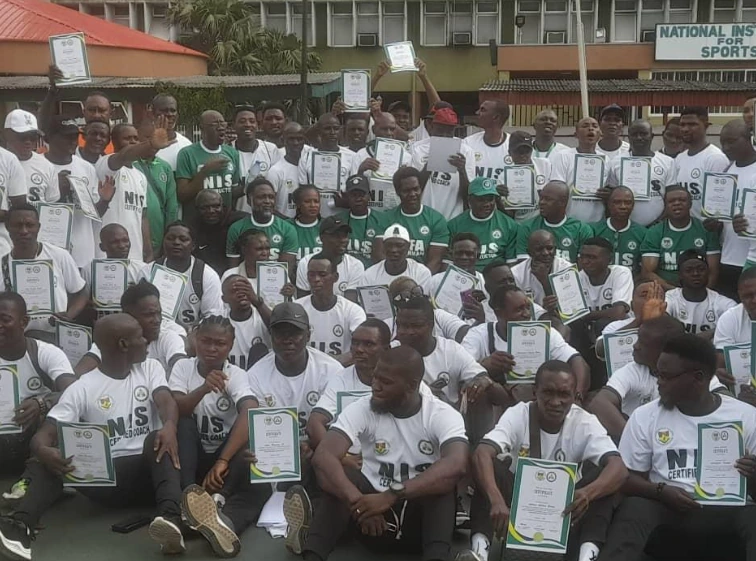
Three areas will likely define the success of his tenure: the quality of training programmes, the institute’s connection with federations, and its ability to produce research that is actually used in the field. If NIS research stays on paper, its impact will remain limited. If training becomes practical and connected to real competition demands, the institute can become more valuable.
The other issue is credibility. Coaches, athletes and administrators need to see the NIS as a place that improves careers, not just a formal institution. That requires updated courses, qualified instructors, transparent standards and visible outcomes.
Why Football Stakeholders Are Watching
The NFF’s reaction shows why football stakeholders are paying attention. Football is Nigeria’s most followed sport, but its long-term strength depends on more than the Super Eagles and Super Falcons. It depends on the people building players before they become stars.
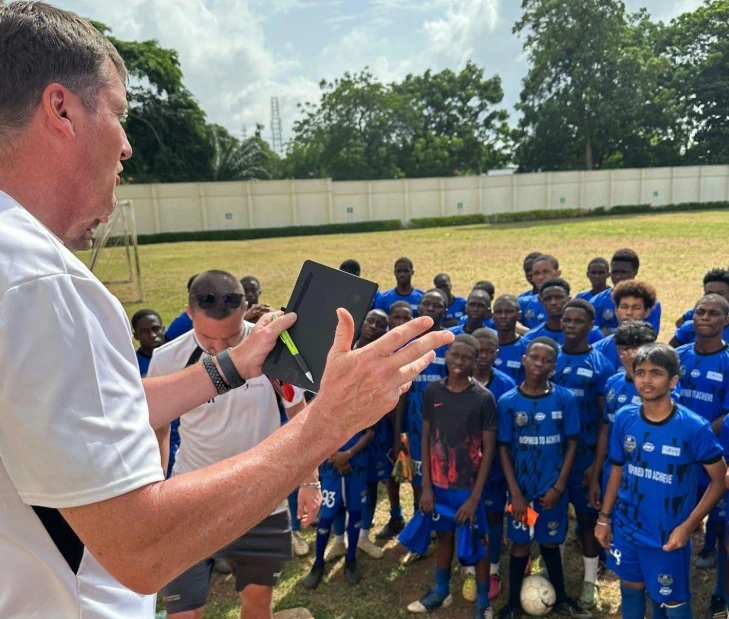
A stronger NIS can support that pipeline indirectly. Better-trained coaches can improve academy work. Better sports science knowledge can help clubs manage players. Better administrators can make youth competitions and development programmes more organised.
That is why Shaibu’s appointment is relevant to football fans, even though the NIS is not a football-only institution. Its work cuts across the technical base that every serious sporting nation needs.
What to Watch Next
The appointment of Philip Shaibu gives the National Institute for Sports a fresh leadership moment, but the real story will unfold through reforms, partnerships and programme quality. The NFF has offered its public support; now the expectation is delivery.
For Nigeria, the opportunity is clear. If the NIS becomes more practical, modern and connected to the realities of competition, it can help turn sporting potential into stronger systems. Shaibu’s first major task is to prove that the institute can move from symbolic importance to visible impact.