Did Nigeria Qualify for World Cup 2026? Nigeria’s Playoff Run Explained
Nigeria did not qualify for the 2026 FIFA World Cup through the CAF playoff route. The Super Eagles beat Gabon 4-1 after extra time in Rabat to reach the African playoff final, but that result only kept their qualification hopes alive; it did not send them to the tournament. DR Congo later defeated Nigeria on penalties in the final, ending Nigeria’s World Cup 2026 campaign.
Nigeria’s 4-1 Win Over Gabon Was Only a Playoff Step
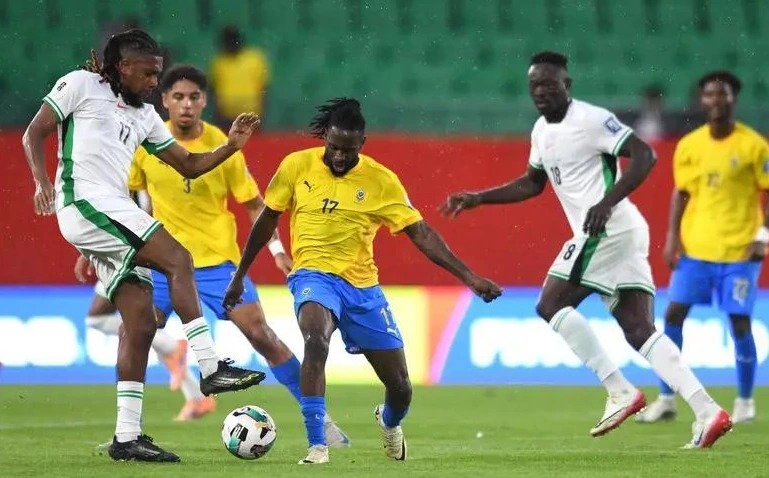
The headline around Nigeria’s 4-1 victory over Gabon caused some confusion because the Super Eagles “qualified for the final,” not for the World Cup itself. In CAF’s playoff structure, the winner of Nigeria vs Gabon moved into the African playoff final, where another win was still required to reach the inter-confederation playoff stage.
That matters because the route was not direct. Nigeria had already missed automatic qualification from the group stage, so the playoff path became a second chance rather than a confirmed ticket. Beating Gabon was impressive, but it was still one match short of the next hurdle.
How the Gabon Match Changed in Extra Time
Nigeria started the semi-final with pressure and chances, but Gabon stayed in the contest for long periods. Akor Adams eventually punished a defensive mistake in the 78th minute to put the Super Eagles ahead. Just when Nigeria looked close to finishing the job in normal time, Mario Lemina equalised late and forced extra time.
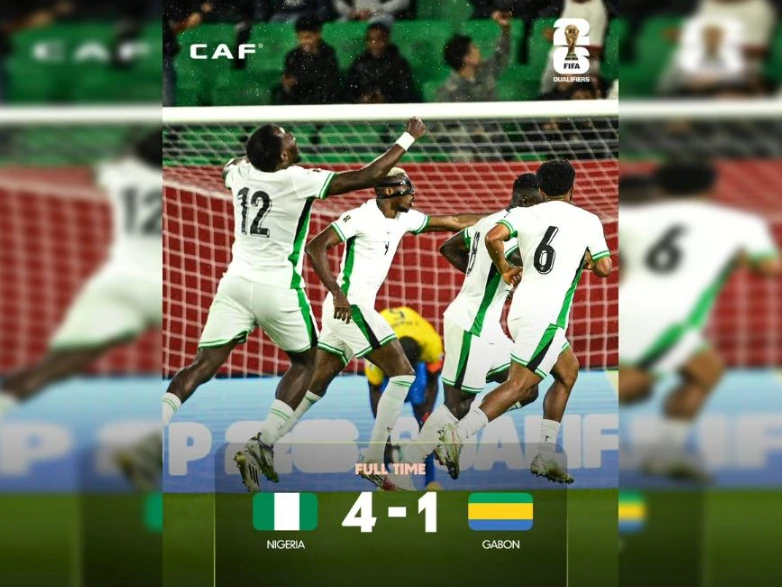
That response tested Nigeria’s mentality. Instead of collapsing after the late setback, the Super Eagles produced their sharpest football in extra time. Chidera Ejuke restored the lead, then Victor Osimhen took control with two goals that turned a tense match into a comfortable-looking scoreline.
The final 4-1 result was dramatic because it did not reflect how tight the game had been before extra time. Nigeria had to survive frustration, missed chances and a late equaliser before their attacking quality finally broke Gabon down.
Osimhen’s Role in Nigeria’s Playoff Push
Victor Osimhen was central to Nigeria’s hopes throughout the playoff run. Against Gabon, his two extra-time goals gave the Super Eagles the cutting edge they needed when the match opened up. His movement, physical power and finishing changed the rhythm of the game once Gabon’s defensive structure began to tire.
For Nigeria, that was exactly why Osimhen carried so much expectation. In knockout football, a team can dominate territory and still need one ruthless finisher to decide the match. Against Gabon, Osimhen became that figure.
The problem for Nigeria was that one huge performance was not enough to complete the full qualification route. The Super Eagles still had to beat DR Congo in the playoff final to continue toward the 2026 World Cup.
Why Nigeria Still Fell Short
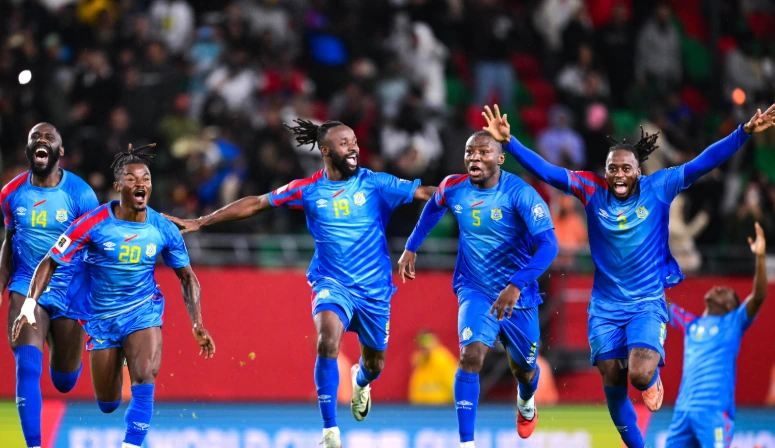
After beating Gabon, Nigeria faced DR Congo in the CAF playoff final. That match ended 1-1 after extra time, and DR Congo won the penalty shootout 4-3. The result sent DR Congo forward to the inter-confederation playoff and ended Nigeria’s campaign.
So the answer to “did Nigeria qualify for World Cup 2026?” is clear: No, Nigeria did not qualify. The Gabon win was a major result, but it was not the final qualification step.
The defeat was especially painful because Nigeria had already missed the 2022 World Cup. Missing 2026 meant the Super Eagles failed to reach back-to-back World Cups, a damaging outcome for one of Africa’s biggest football nations.
What the Result Means for the Super Eagles
Nigeria’s playoff run showed both promise and concern. The promise came from the attacking depth. Players like Osimhen, Adams and Ejuke gave Nigeria match-winning options, while the team showed resilience after Gabon’s late equaliser.
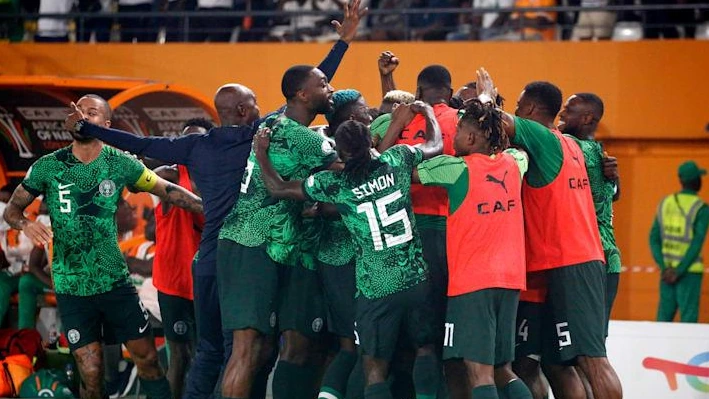
The concern is that Nigeria still struggled to control decisive moments across the full qualification campaign. A team with Nigeria’s talent should not need repeated rescue missions. Qualification failures usually come from dropped points, inconsistent performances and pressure moments that are not managed well enough.
The Gabon match showed Nigeria’s ceiling. The DR Congo final showed the cost of not finishing the job.
What Nigerian Fans Should Remember
For Nigerian fans searching the result later, the key distinction is simple: Nigeria qualified for the CAF playoff final, not for the 2026 FIFA World Cup.
That distinction changes the whole story. The Gabon match was a thrilling win and one of Nigeria’s strongest performances of the playoff route, but the World Cup ticket was never secured that day. The decisive result came later against DR Congo, and Nigeria lost it on penalties.
Nigeria’s next task is not to explain one bad shootout alone. It is to rebuild a qualification process that should match the quality of the squad. The Super Eagles still have elite attacking talent, but future campaigns will require more consistency before the pressure reaches knockout football.